






Advertisement

Major Economies

Compare eight major economies and discover why inflation follows a different path in each of them.

Explore Economies

Developed vs Emerging Economies

Economists often sort countries into two broad groups. Developed economies — like the United States, Germany, and Japan — usually have stable prices, well-established central banks, and inflation that moves in small, gradual steps. Emerging economies, such as China and India, are still building out their industries and infrastructure, and they tend to grow faster. That faster growth can bring bigger swings in prices, because wages, consumer demand, and the cost of imported goods can all shift quickly. Neither group is better or worse — they simply respond to inflation in different ways. Setting them side by side, as the chart here does, makes those patterns easier to spot.

Latest CPI & GDP across eight economiesSource: FRED (SITE_DATA)
CPI (YoY)GDP (YoY)
  • United States4.3%6.1%
  • Germany2.2%3.1%
  • United Kingdom3.4%0.3%
  • Japan-0.4%-0.7%
  • France0.8%5.8%
  • China-0.1%2.1%
  • India3.0%7.0%
  • Euro Area3.2%7.2%

Inflation Doesn't Affect Every Economy Equally

When the price of oil or wheat jumps on world markets, every country feels it — but never to the same degree. How much a rising global price shows up in your grocery bill or your energy costs depends on the local picture: how much a country imports versus produces at home, how strong its currency is, how much people are already spending, and how quickly its central bank reacts. A weaker currency makes imported goods pricier, while a country that pumps its own oil or grows its own food is partly shielded. So a single headline — "global prices are rising" — can mean painful inflation in one economy and barely a ripple in another.

Avg CPI (8 economies)
2.1%
Highest inflation
United States
4.3%
Lowest inflation
Japan
-0.4%
Developed / Emerging
6 / 2

Which Economy Should You Explore?

Understanding Global Economies

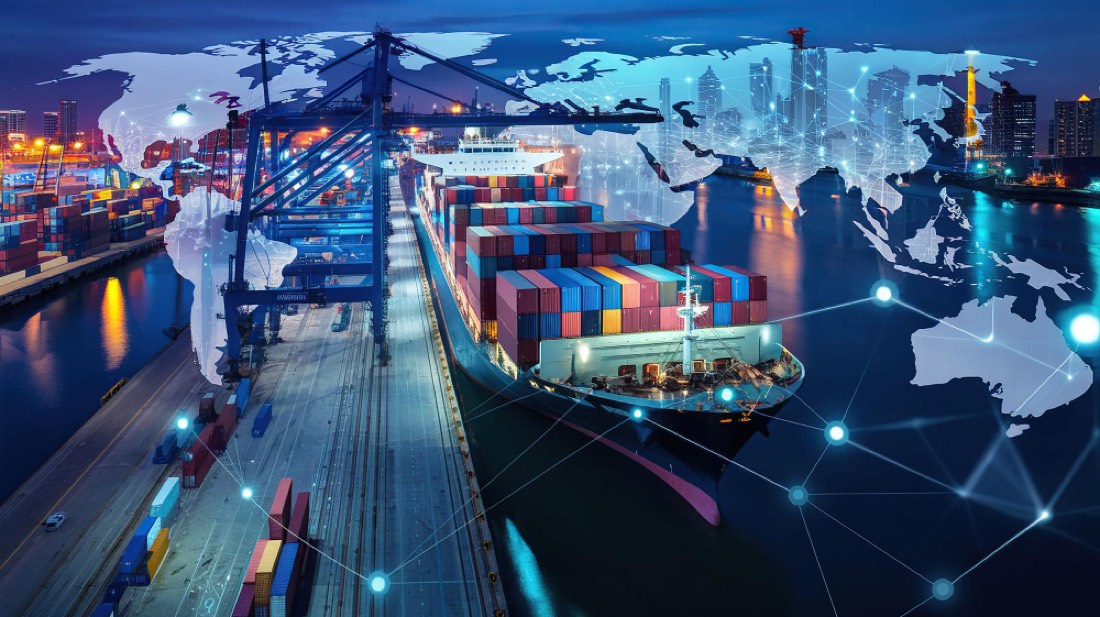
Global trade and economic comparison

Inflation Is Local

It's tempting to think of inflation as one big global number — prices going up everywhere, all at once. But that's not really how it works. Inflation is local. The rate you read about at home is shaped by what your country buys and sells, the strength of its currency, the choices of its central bank, and the habits of the people who live and shop there. Two countries can face the very same global pressure — a spike in energy costs, a tangled supply chain, a jump in food prices — and still end up in completely different places. That's exactly why it helps to look beyond your own borders. Comparing economies turns inflation from an abstract figure into something you can actually reason about, and the differences tell a story that a single national number never could.
Diverse economies side by side

Why These Eight

The eight economies in this guide were chosen because they show that range. Some are large and advanced, with long track records of stable prices. Others are growing quickly and still finding their footing. Some share a currency and a central bank; others control their own. Reading them alongside one another is a bit like comparing weather in different cities: the same storm passes through, but each place experiences it differently. You don't need an economics degree to follow along — pick a country you're curious about, see how its prices have behaved, and then hold it up against another. The contrasts are where the real understanding begins.